Guías
Retiring LEGO sets: how retirement works and when to buy
Every LEGO set eventually goes out of production. Here is how the retirement cycle actually works, how to spot a set on its way out, and when buying makes sense.
Escrito por el equipo de Brickheist · Publicado 11.07.2026
Every LEGO set has a shelf life. It launches, it sells for a few years, and then — usually without much ceremony — it goes out of production and disappears from shops. Collectors call this retirement, and understanding how it works is one of the most useful skills a LEGO buyer can have. Get the timing right and you buy a set you love at a good price. Get it wrong and you are staring at aftermarket listings wondering how it got so expensive.
How the LEGO product lifecycle works
LEGO does not keep sets in production indefinitely. A typical set stays on shelves for somewhere between one and three years, though the range is wide: seasonal and licensed sets often have shorter runs, while large display pieces and modular buildings frequently stay available for longer. LEGO rarely announces retirement dates in advance, and even the "retiring soon" labels on its own site have been known to change — sets get extended, and occasionally a retired set is even brought back.
The practical consequence: you can never be completely certain when a set will vanish. What you can do is read the signals and understand the price behaviour around the transition, which is far more predictable than the exact date.
The signals a set is on its way out
A few patterns tend to show up in the months before a set leaves production:
- "Retiring soon" labels on LEGO's own shop. Not a guarantee, but the strongest official signal you will get.
- Stock thinning across retailers. When a set goes from "everywhere" to "three shops, limited stock", retailers have stopped reordering. On a price comparison page you can see this directly: the list of retailers carrying the set gets shorter over time.
- Deeper end-of-life discounts. Retailers clearing remaining inventory often price more aggressively than they did mid-lifecycle. A set suddenly hitting its all-time low after years on the market is often a set being cleared out.
- Age. A set approaching the typical two-to-three-year mark is simply statistically more likely to retire than a fresh release.
No single signal is conclusive. Two or three together usually are.
What happens to the price after retirement
The price curve around retirement follows a recognisable shape. In the final months of production, prices often dip as retailers clear stock — this is frequently the cheapest the set will ever be as a new, sealed product. Once production stops, remaining retail stock sells through, the cheapest listings disappear first, and the average price across the remaining shops drifts upward. When retail stock is gone entirely, the set moves to the aftermarket, where sealed copies of popular sets typically cost more than they ever did at retail — sometimes considerably more, sometimes only modestly, and occasionally not at all. Demand, not retirement itself, decides that.
If you are curious about the aftermarket side of this — whether retired sets actually make money — we have looked at that separately in our guide to LEGO as an investment. This guide is about the buying side: getting a set you want before the window closes.
The sweet spot: when to actually buy
For a set you genuinely want to own and build, the best moment to buy is usually late in its production life, on a real discount. That is when clearance pricing and remaining availability overlap. The tools for finding that moment:
- Check the price history. The chart on each set page shows what the set has actually cost over time. A current price at or near the all-time low, on a set showing retirement signals, is close to an objectively good moment.
- Compare across retailers in your region. As stock fragments near end of life, the spread between the cheapest and the most expensive shop tends to widen. The same set can be clearance-priced at one retailer and full price at another on the same day.
- Set a price alert. If the current price is not compelling yet, an alert at your target price means you do not have to check back manually — useful precisely because end-of-life dips can be short.
Why waiting too long costs real money
The most expensive mistake in LEGO buying is the "it will still be there next month" assumption applied to a retiring set. The transition from "on clearance in several shops" to "sold out everywhere" can take weeks, not months, and it rarely announces itself. Once retail stock is gone, your options are the aftermarket — at a premium, with no retailer guarantees — or simply missing out. If a set on your list is showing multiple retirement signals and sits at a decent price, the rational move is usually to buy, not to wait for a marginally better deal that may never come.
Where retirement matters most
Retirement dynamics are strongest for large display sets and licensed sets with dedicated fanbases — the sets people still want years after production ends. LEGO's Icons theme is the classic example: big, adult-oriented sets that are heavily missed once gone. Here are Icons sets currently available at the best prices in your region:

LEGO® Icons
Flower Bouquet
0,06 €/pieza

LEGO® Icons
Orchid
0,08 €/pieza

LEGO® Icons
Bonsai Tree
0,06 €/pieza

LEGO® Icons
Succulents
0,06 €/pieza

LEGO® Icons
Kingfisher Bird
0,06 €/pieza
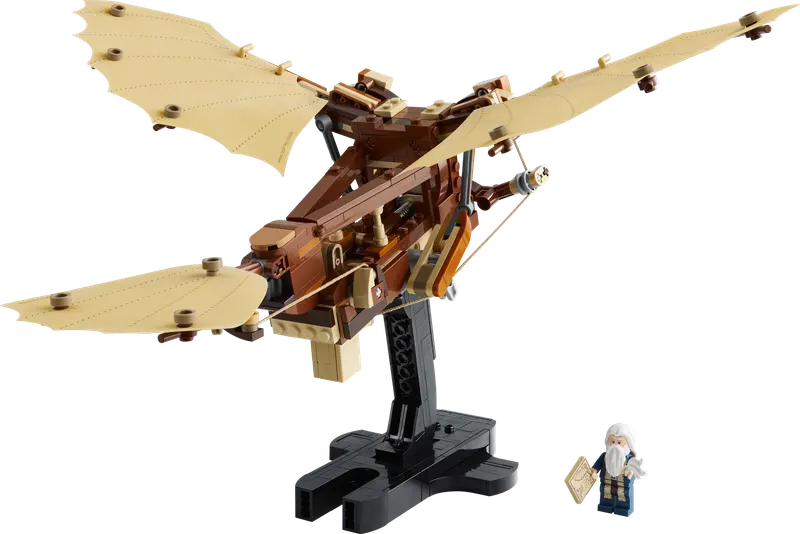
LEGO® Icons
Leonardo da Vinci's Flying Machine
0,12 €/pieza
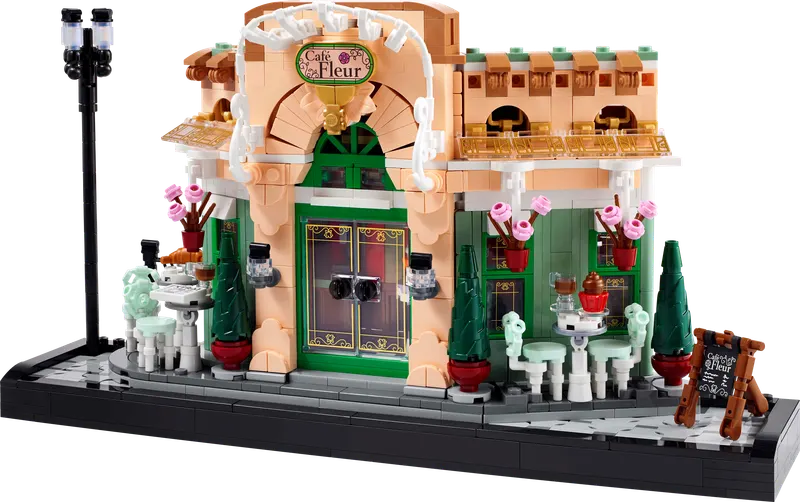
LEGO® Icons
French Café
0,06 €/pieza
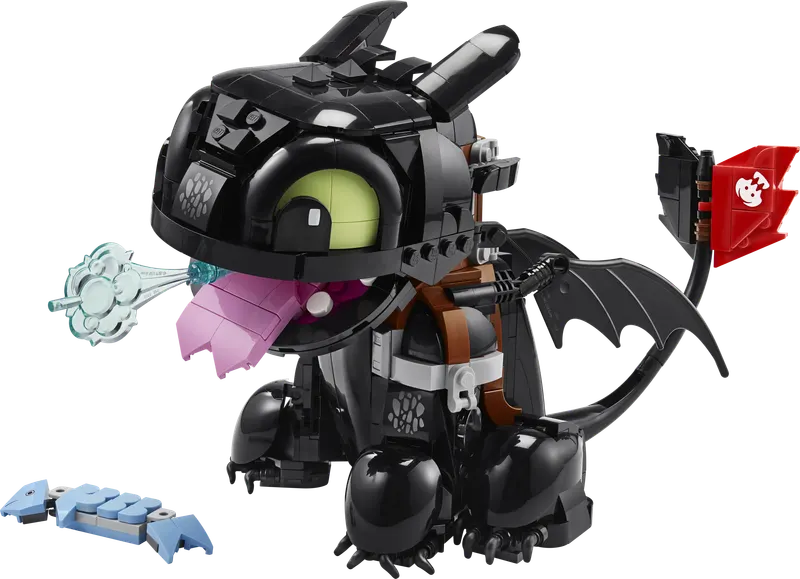
LEGO® Icons
How to Train Your Dragon: Toothless
0,09 €/pieza
The short version: know the signals, watch the chart, and when a set you actually want hits a genuinely low price late in its life — take it.