Guider
Is LEGO a good investment?
What actually drives LEGO sets to appreciate after retirement — and the traps that catch most would-be investors.
Skriven av Brickheist-teamet · Publicerad 08.06.2026
"Retired LEGO goes up in value" is repeated everywhere, and it's true — for some sets. Plenty of others sit flat for years. Here's how to tell the difference before you spend money hoping for a return.
What drives appreciation
- Retirement. Sets only start climbing once LEGO stops producing them and retail stock dries up. While a set is still on shelves, supply caps the price.
- Theme and licence. Star Wars, Icons, and modular buildings have the strongest secondary-market demand. Generic themes appreciate far less reliably.
- Sealed condition. A clean, unopened box is the asset. Once it's built or the box is damaged, most of the investment premium is gone.
The traps
The most common mistake is buying at launch-day hype prices and assuming any set will rise. Over-produced sets can stagnate for years. The second trap is forgetting the costs: storage space, the opportunity cost of cash tied up for years, and the effort of selling. LEGO is a slow, illiquid asset, not a quick flip.
Sets collectors watch
Large, display-grade sets from the Icons range are the kind most likely to hold value sealed — a sensible place to compare current prices:
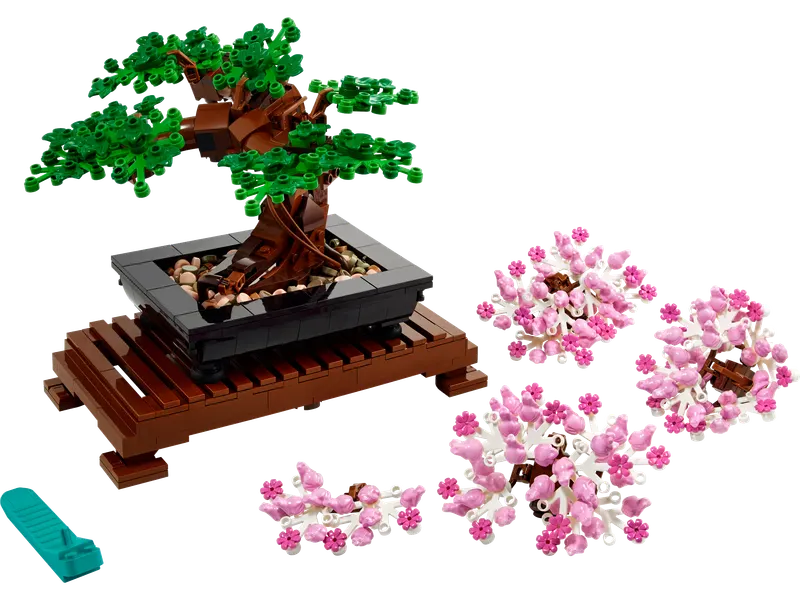
LEGO® Icons
Bonsai Tree
0,28 kr/st
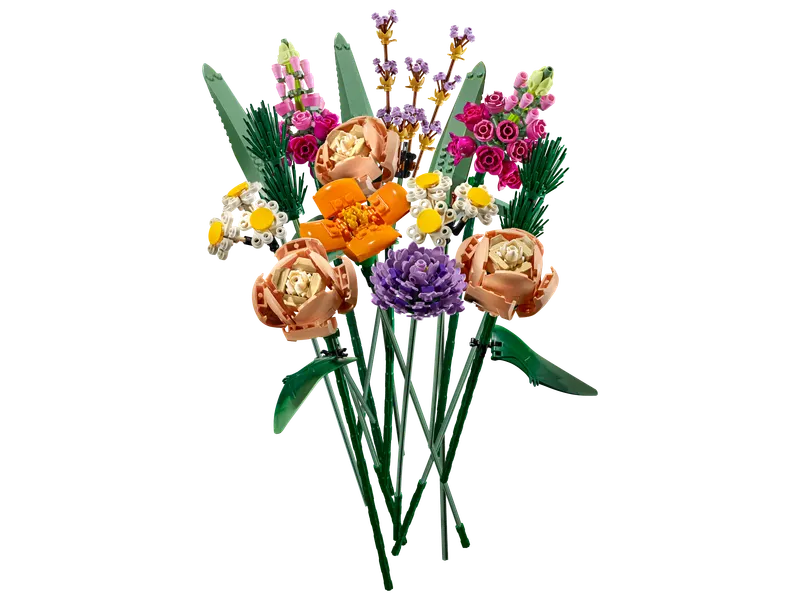
LEGO® Icons
Flower Bouquet
0,47 kr/st
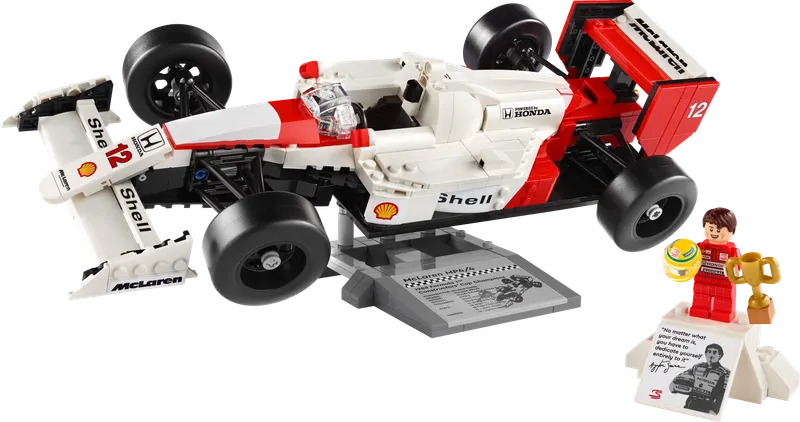
LEGO® Icons
McLaren MP4/4 & Ayrton Senna
0,52 kr/st
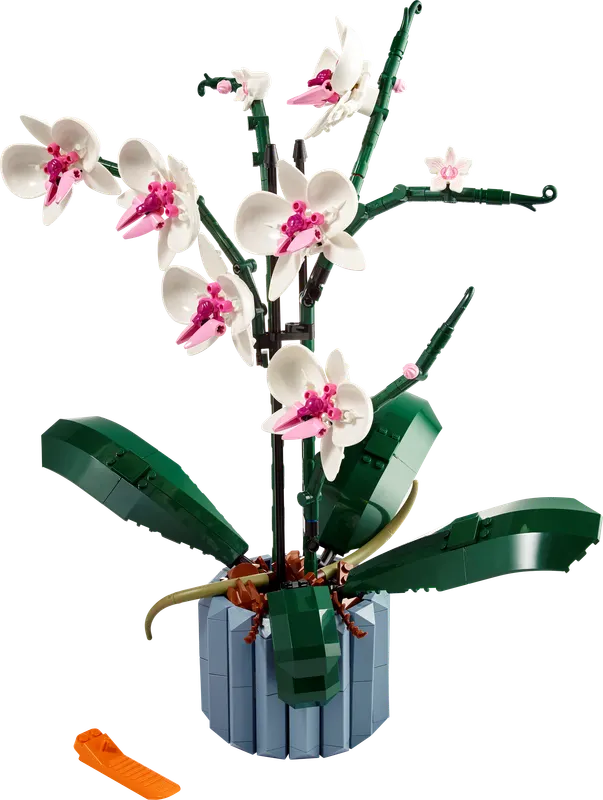
LEGO® Icons
Orchid
0,74 kr/st
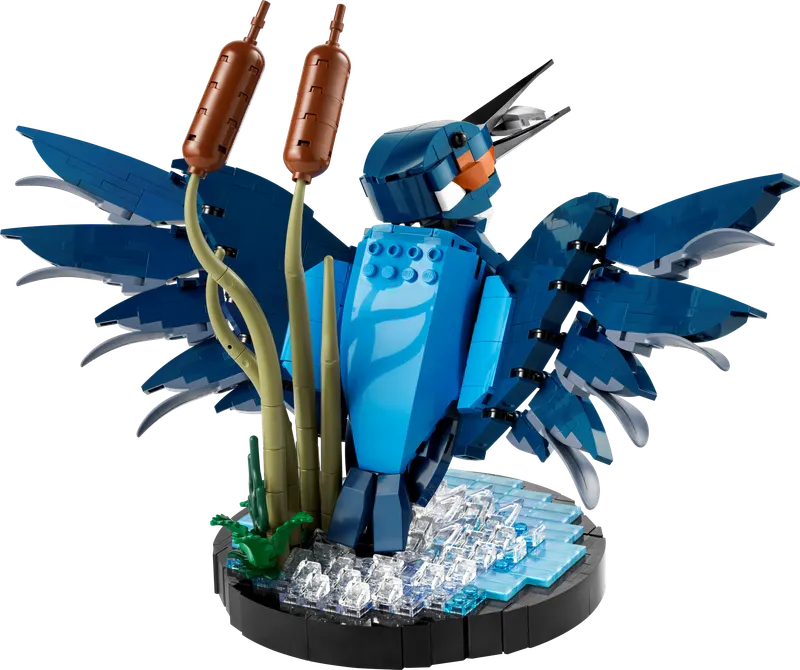
LEGO® Icons
Kingfisher Bird
0,82 kr/st
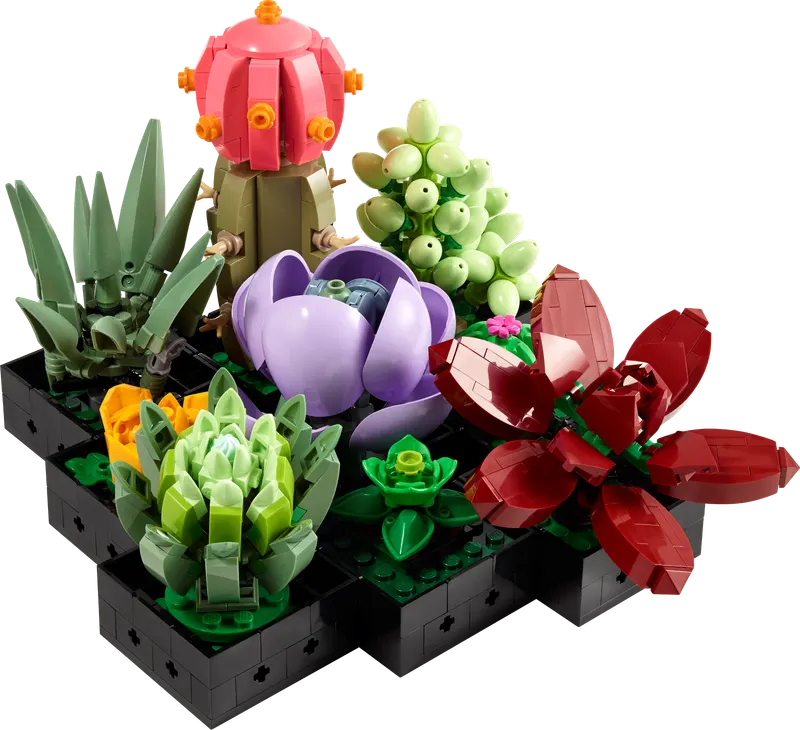
LEGO® Icons
Succulents
0,93 kr/st
Bottom line
LEGO can be a decent long-term store of value if you buy retiring sets from desirable themes, keep them sealed, and are patient. Treat it as a hobby that occasionally pays off — not a guaranteed return. And whatever you buy, start by paying the lowest price today: the price history on every set page tells you whether you're getting one.
Related guides: How to find LEGO on sale (and spot a fake discount) · The best LEGO Star Wars sets to buy right now