Ratgeber
Price per piece: how to use LEGO's favourite metric (and when it lies)
Price per piece is the LEGO community's go-to value metric — useful, but easy to misread. Here is how to use it properly, and the cases where it will steer you wrong.
Verfasst vom Brickheist-Team · Veröffentlicht 11.07.2026
Ask a group of LEGO fans whether a set is good value and someone will quote you its price per piece within seconds. Divide the price by the piece count, and you get a single number that lets you compare a small polybag against a four-figure display set. It is the community's favourite metric for a reason — but it is also routinely misused. This guide covers what price per piece actually tells you, how to use it sensibly, and the situations where it will confidently point you at the wrong set.
What price per piece is — and what it measures
The calculation is trivial: take the price of the set, divide by the number of pieces in the box. The result is a rough proxy for how much plastic and design work you get per unit of money. Its appeal is that it normalises across set sizes — without it, comparing a small set against a huge one is just comparing two unrelated prices.
The key word is proxy. Pieces are not equal: a tiny 1x1 stud and a huge boat hull both count as one piece. Price per piece measures piece count, not piece volume, weight, or usefulness. Everything that goes wrong with the metric flows from that.
Sensible baselines: rules of thumb, not laws
Absolute thresholds ("under X is good") age badly and travel badly — piece prices vary by region, by currency, and drift over time. What works better than a fixed number:
- Compare within a theme. A set's price per piece is most meaningful next to other sets in the same theme, where the piece mix and licensing costs are similar.
- Compare against the set's own RRP. The price per piece at recommended retail price tells you how LEGO priced the set; the price per piece at today's best price tells you how good the current deal is. The gap between the two is the discount, just expressed differently.
- Expect licensed to cost more. Star Wars, Harry Potter, Marvel and other licensed themes typically carry a higher price per piece than unlicensed themes like City or Creator, because part of what you are paying for is the licence. That premium is normal, not a rip-off — but it does mean cross-theme comparisons need a mental adjustment.
Big pieces versus small pieces
Two sets at the same price and piece count can be wildly different products. A set stuffed with small detail pieces — tiles, studs, greebling — racks up an impressive count from very little plastic. A set built around large elements — panels, wheels, hulls, baseplates — looks "expensive per piece" while actually containing far more material. Neither is better; they are different building experiences. But it means a low price per piece sometimes just means "lots of tiny parts", and a high one sometimes just means "big parts". Glance at the box contents, not just the number.
When price per piece actively misleads
- Technic. Technic sets often look poor on price per piece because they use large structural elements, gearboxes, and sometimes motors or electronic components — none of which piece count captures. Judging a flagship Technic set by price per piece is judging an engine by its part count.
- Minifigure-heavy sets. Minifigures carry a large share of many sets' value — especially exclusive characters — yet each counts as only a handful of pieces. Battle packs and sets bought primarily for their figures can look terrible per piece while being exactly what the buyer wants.
- Sets with large decorated or moulded elements. Printed panels, big animal moulds, and special elements are expensive to produce and count as one piece each.
- Duplo and sets for young children. Deliberately large pieces make the metric meaningless here. Never compare Duplo to System sets on price per piece.
How to actually use it
Treat price per piece as a tiebreaker and a sanity check, not a verdict. A sensible buying process looks like this: decide which sets you actually want, check the current discount against RRP, look at the price history to see whether today's price is genuinely low for that set, and compare offers across retailers in your region. If two candidates come out roughly equal on all of that, price per piece is a fine way to pick — within the same theme, with the caveats above in mind.
And remember that the metric is only as good as the price you feed it. The same set at its most expensive and cheapest retailer produces two very different piece prices — which is the whole argument for comparing before you buy. As a worked example, here are Star Wars sets — a licensed theme where per-piece expectations should run higher — at the current best prices in your region:
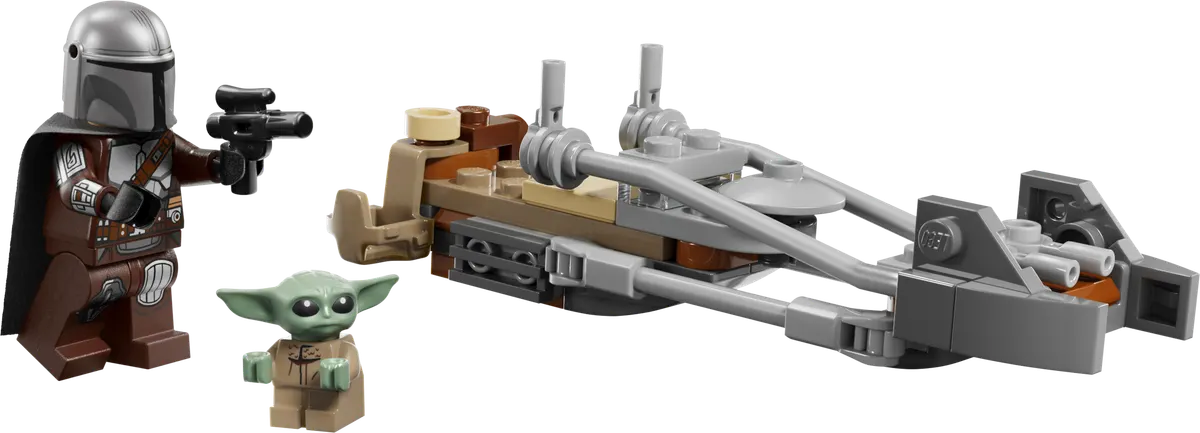
Star Wars™
Der Mandalorianer und Grogu auf ihrem Speeder Bike
0,14 €/Teil
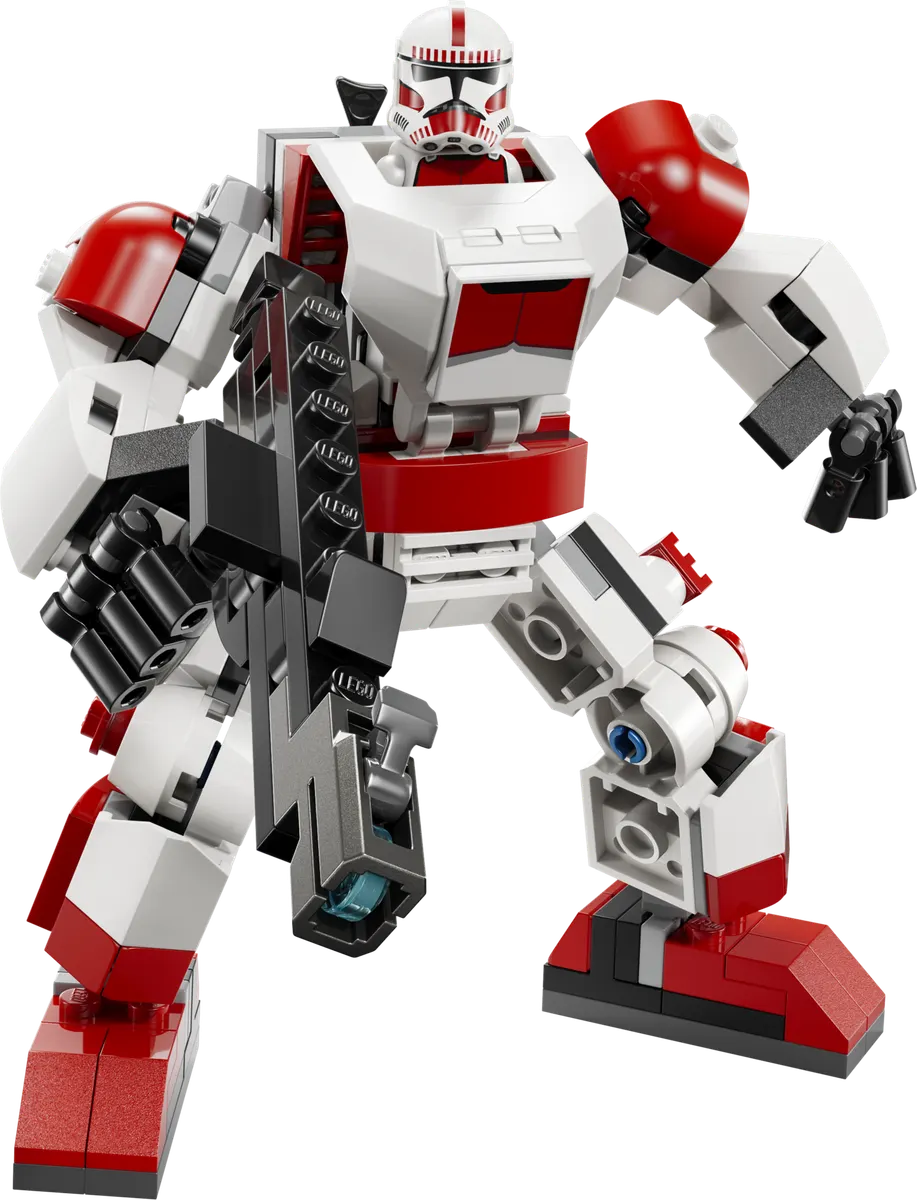
Star Wars™
Klon-Schocktruppen Mech
0,07 €/Teil
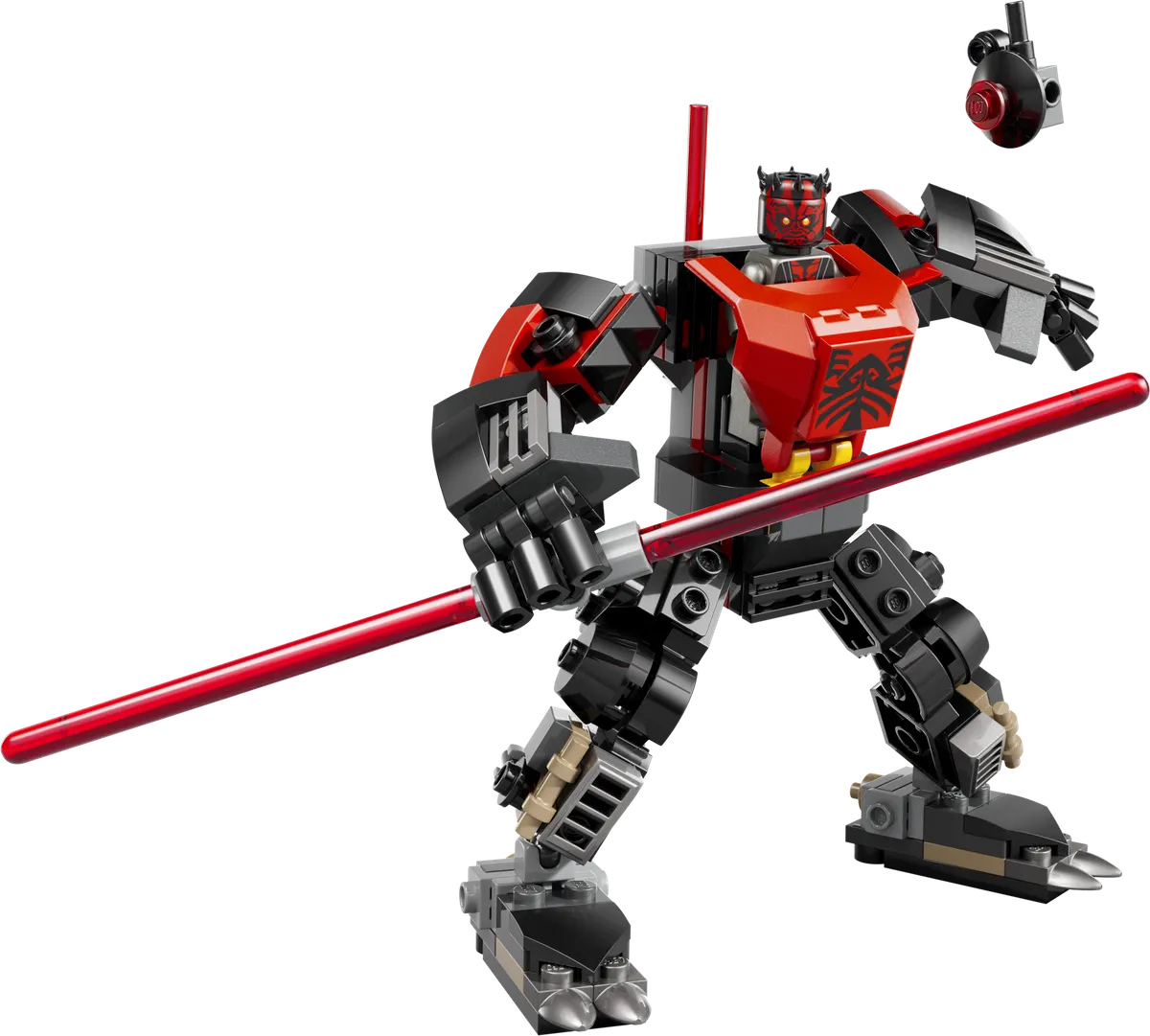
Star Wars™
Darth Maul Mech
0,09 €/Teil
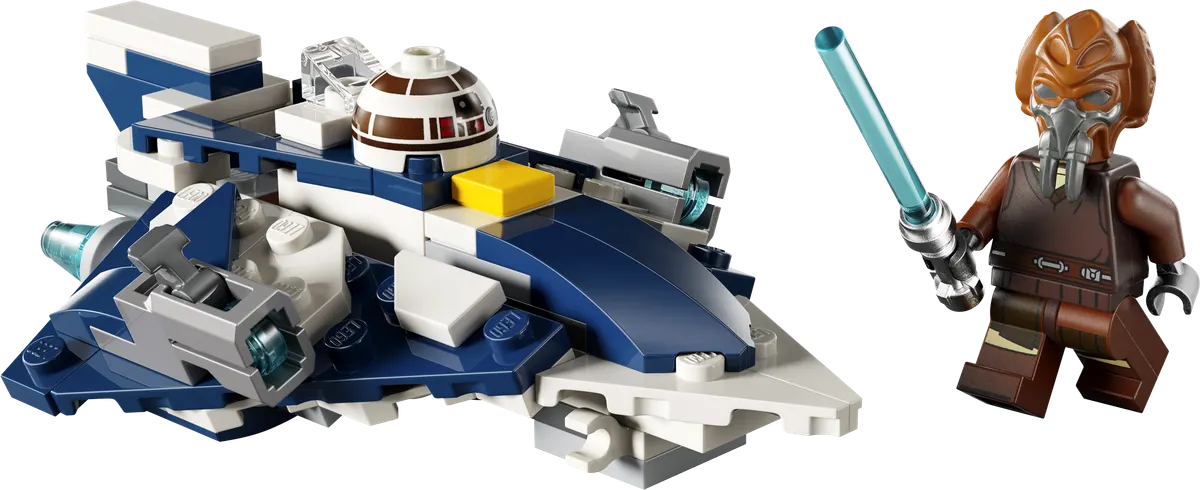
Star Wars™
Plo Koons Jedi Starfighter Microfighter
0,14 €/Teil
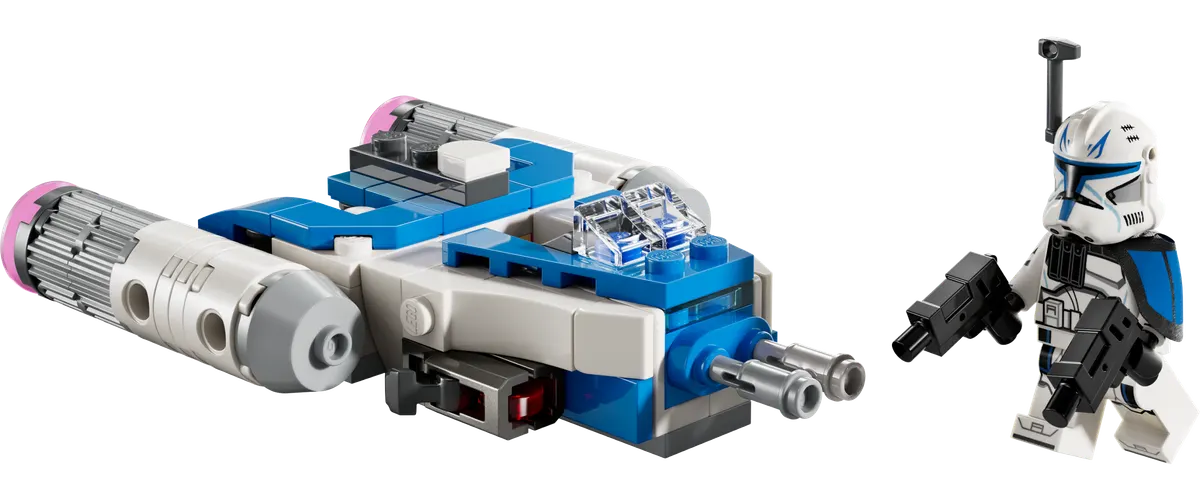
Star Wars™
Captain Rex Y-Wing Microfighter
0,13 €/Teil
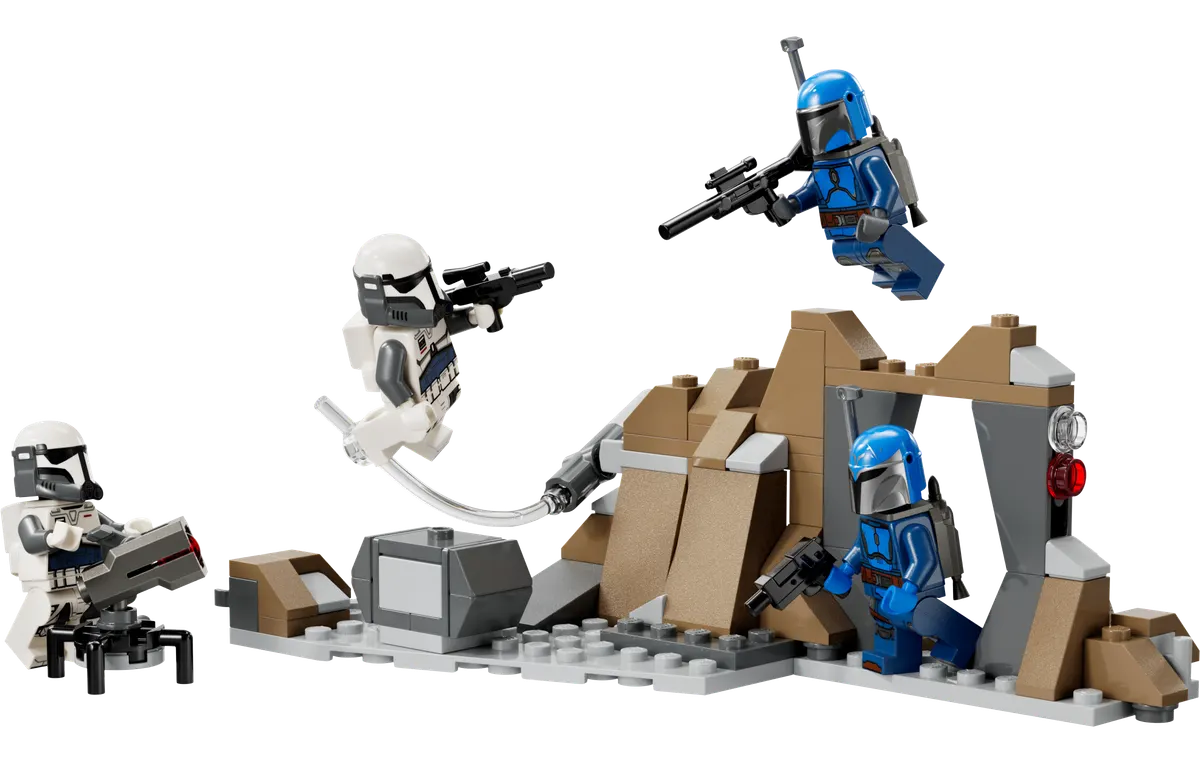
Star Wars™
Hinterhalt auf Mandalore Battle Pack
0,14 €/Teil
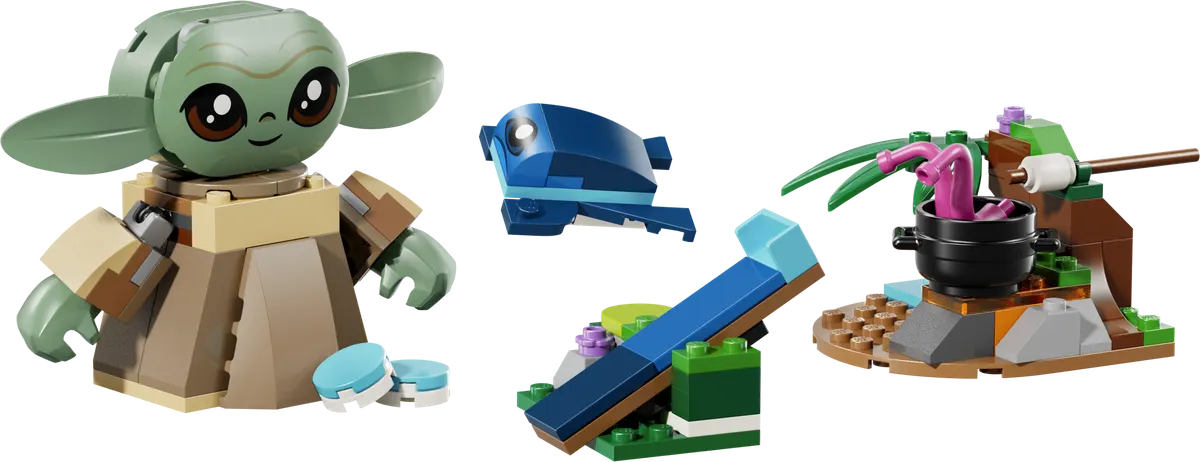
Star Wars™
Grogus Zuhause
0,14 €/Teil
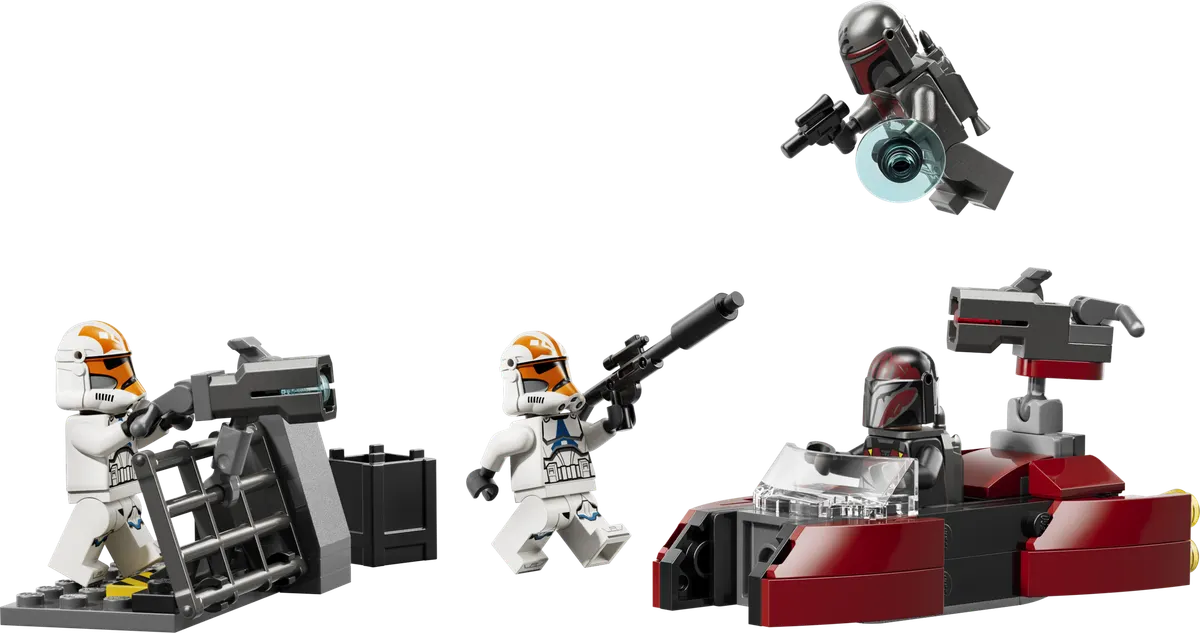
Star Wars™
Belagerung von Mandalore Battle Pack
0,14 €/Teil
The short version
Price per piece is a useful lens, not a scoreboard. Compare within themes, anchor to RRP and price history, expect licensed sets to run higher, and ignore the metric entirely for Technic, minifigure-driven sets, and anything with big speciality pieces. The best value set is the one you will actually build and enjoy — bought at a genuinely low price.